

When renovating or building a new home, choosing between drylining and wet plastering is a key decision that can affect both the project’s timeline and the finish of your walls. At Parson Ash, we understand the importance of making informed choices, so let’s delve into the main differences, advantages, and considerations of these two popular wall finishing techniques.
What is Drylining?
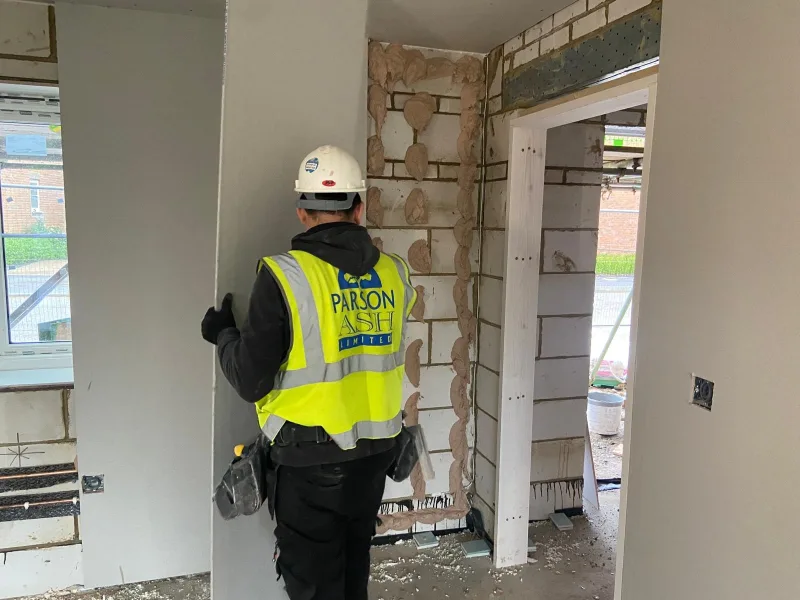
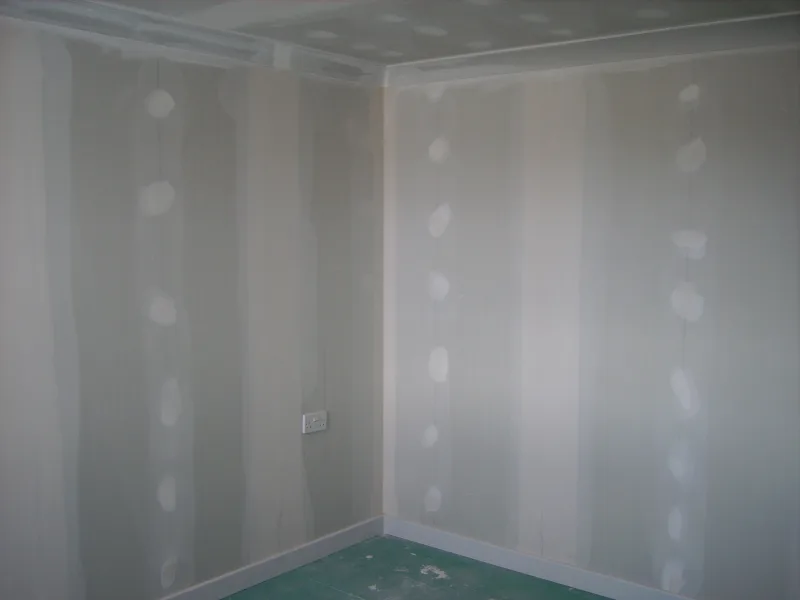
Drylining essentially involves the application of plasterboard to walls, which are then ready to be painted or wallpapered. This method does not involve wet plaster, hence the term ‘drylining’. It’s a relatively quick process compared to wet plastering because it eliminates the need to wait for the layers to dry out. Boards are fixed to the walls using adhesive (dot and dab method) or screws to a timber or metal frame, which can also provide a cavity for insulation and services.

Advantages of Drylining
1. Speed: The main benefit of drylining is that it is fast. The drying time is significantly reduced, which means the remainder of your project can proceed without delay.
2. Flexibility: It allows for easy installation of insulation and services behind the boards.
3. Finish: Provides a smooth finish that is ready for decorating shortly after installation.
What is Wet Plastering?
Wet plastering, or traditional plastering, involves applying several layers of wet plaster to form a hard, smooth surface. The process starts with a base layer of bonding plaster followed by a finishing plaster which is then smoothed out. It requires a skilled plasterer to apply the layers evenly and achieve a high quality finish.
Advantages of Wet Plastering:
1. Durability: Once cured, wet plaster creates a strong and durable wall surface.
2. Soundproofing: Offers superior sound insulation properties.
3. Aesthetics: Can be used to create decorative mouldings and traditionally has been considered to provide a higher quality finish.
Drylining vs Wet Plastering: Which Is Right for Your Project?
The choice between drylining and wet plastering largely depends on your project requirements:
– Speed and Efficiency: If you’re under time constraints or need to rapidly progress with internal works, drylining might be the best option.
– Quality and Finish: For heritage properties or where a high-end finish is needed, wet plastering may be preferable despite its longer drying times.
In projects where both sound insulation and time efficiency are important, incorporating both methods might be beneficial. For example, using drylining for the bulk of the project and wet plastering in specific areas where acoustics are more critical.
Get Professional Drylining & Plastering Services
Both drylining and wet plastering have their own set of merits. Your choice should be guided by factors such as project timeline, budget, and desired outcome for the finishes. If you’re looking to make the best choice for your home improvement or construction project, get in touch with the team at Parson Ash. We can provide tailored advice and ensure that the wall finish aligns with your overall project goals. Learn more about our services and how we can assist in your next project by visiting our website or contacting us for a quote.