In the construction industry, understanding the difference between plastering and skimming is essential for achieving professional-quality walls and ceilings. Both techniques are used to create smooth finishes, but they serve distinct purposes, involve different materials, and are applied at different stages of a project.
This guide explains the key differences, applications, and benefits of plastering and skimming, helping property owners, contractors, and project managers make informed decisions for both new builds and refurbishment projects.
What Is Plastering?
Plastering is a broader construction technique used to create a durable, finished surface on walls or ceilings. It involves applying layers of plaster to form a structural or decorative coating over surfaces such as brick, concrete, or blockwork.
Key points about plastering:
- Can be thick or thin, depending on the wall and purpose
- Provides structural integrity and protection to walls
- Suitable for both internal and external walls (rendering is a form of external plastering)
- Often the first step in creating smooth walls on masonry surfaces
Plastering is particularly important in drylining systems for providing a base before any finishing layers like skim coats are applied.
What Is Skimming?
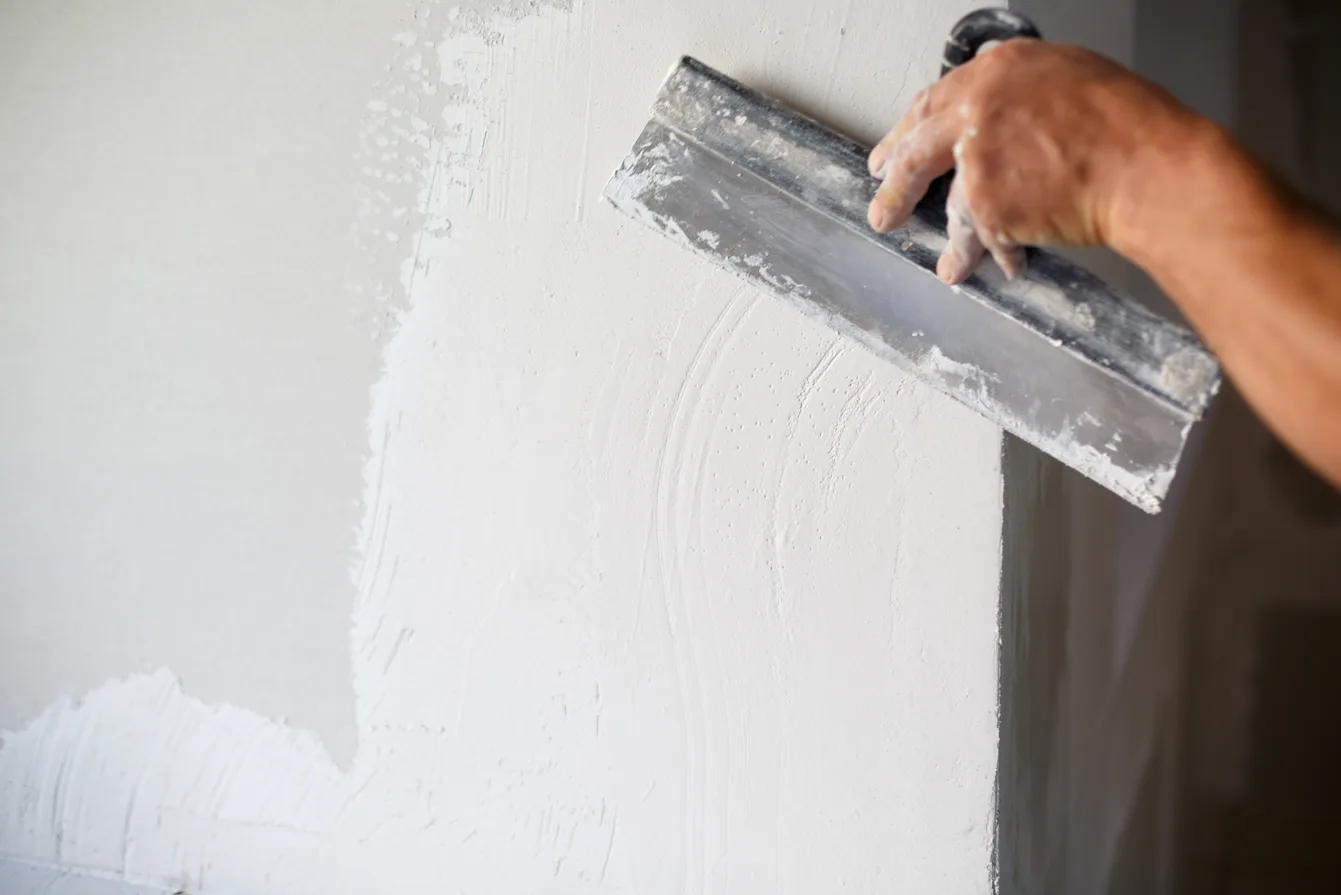
Skimming, also known as a skim coat, is a finishing process that involves applying a very thin layer of finishing plaster to create a smooth surface. Unlike plastering, skimming is not structural; its main purpose is aesthetic and functional, ensuring that walls are ready for painting or wallpapering.
Key points about skimming:
- Applied in thin layers over plasterboard or plastered surfaces
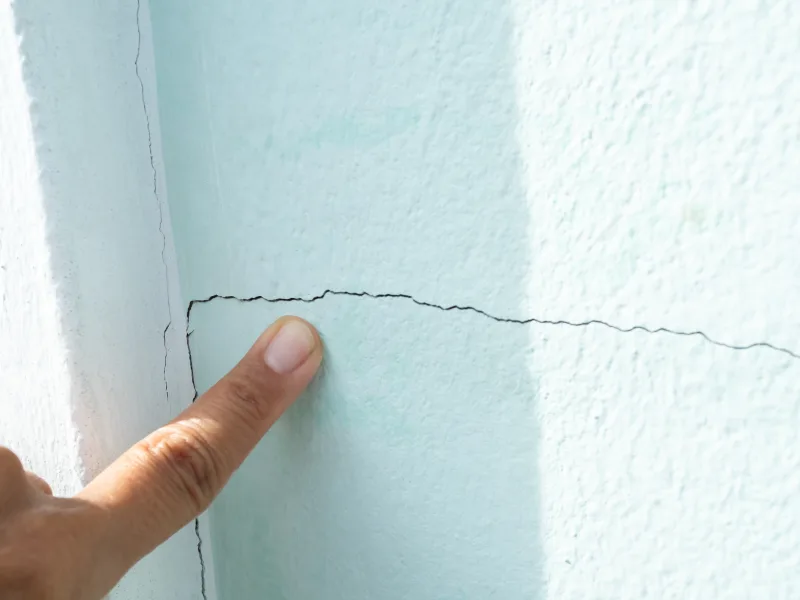
- Hides joints, imperfections, and minor cracks
- Common in drylined walls and ceilings, including metal stud partitions
- Provides a polished finish for commercial or residential interiors
Skimming is often the final stage in wall preparation, complementing plastering rather than replacing it.
Main Differences Between Plastering and Skimming
Plastering:
- Structural and decorative
- Medium to thick layers
- Applied to masonry, blockwork, existing plaster
- Applied early, base layer
- Forms the base for partitions and walls
Skimming:
- Finish and aesthetic
- Very thin, smooth layer
- Applied to plasterboard, existing plaster, skim-ready walls
- Applied as final finishing layer
- Perfects the surface for painting or wallpapering
Understanding these differences ensures that the right technique is applied at the right stage of a project, improving quality and durability.
When to Use Each Technique
- Plastering: Ideal for raw walls, external walls, and new construction where a strong, protective layer is needed.
- Skimming: Suitable for finishing walls in drylined interiors, covering imperfections, and preparing surfaces for decoration.
Both techniques are often used together in commercial and new build projects to ensure walls meet high standards of appearance and durability.
Regional and Project Considerations
In areas like Hampshire, Berkshire, Oxfordshire, South London, Sussex, Buckinghamshire, and Surrey, contractors commonly combine plastering and skimming in new build developments, office refurbishments, and commercial fit-outs. Choosing skilled professionals ensures that walls and ceilings are smooth, durable, and ready for the next stage of the project.
Final Thoughts
Plastering and skimming are complementary techniques that together create flawless, durable wall and ceiling surfaces. Plastering provides structure and protection, while skimming delivers a polished, smooth finish. By understanding the differences and their applications, property owners and contractors can ensure that both new builds and refurbishment projects meet professional standards.
Using skilled plastering and skimming contractors within drylining systems guarantees high-quality results for walls and ceilings in both commercial and residential settings.
Recent News