16 December 2025
Know Why Plaster Walls Crack In Old Houses Before Hiring a Plasterer
Cracked walls are a common issue in older homes, and understanding why they occur is essential before calling in a plasterer. While some cracks are purely cosmetic, others may indicate underlying structural issues that need to be addressed first. Proper diagnosis not only ensures the right repair method is used but also protects the longevity of the walls and the investment in your property.
This guide explains the common causes of plaster cracks in older houses, the different types of cracks you may encounter, and why professional assessment is key before undertaking repairs.
Common Causes of Cracked Plaster Walls
1. Natural Settling of the Building
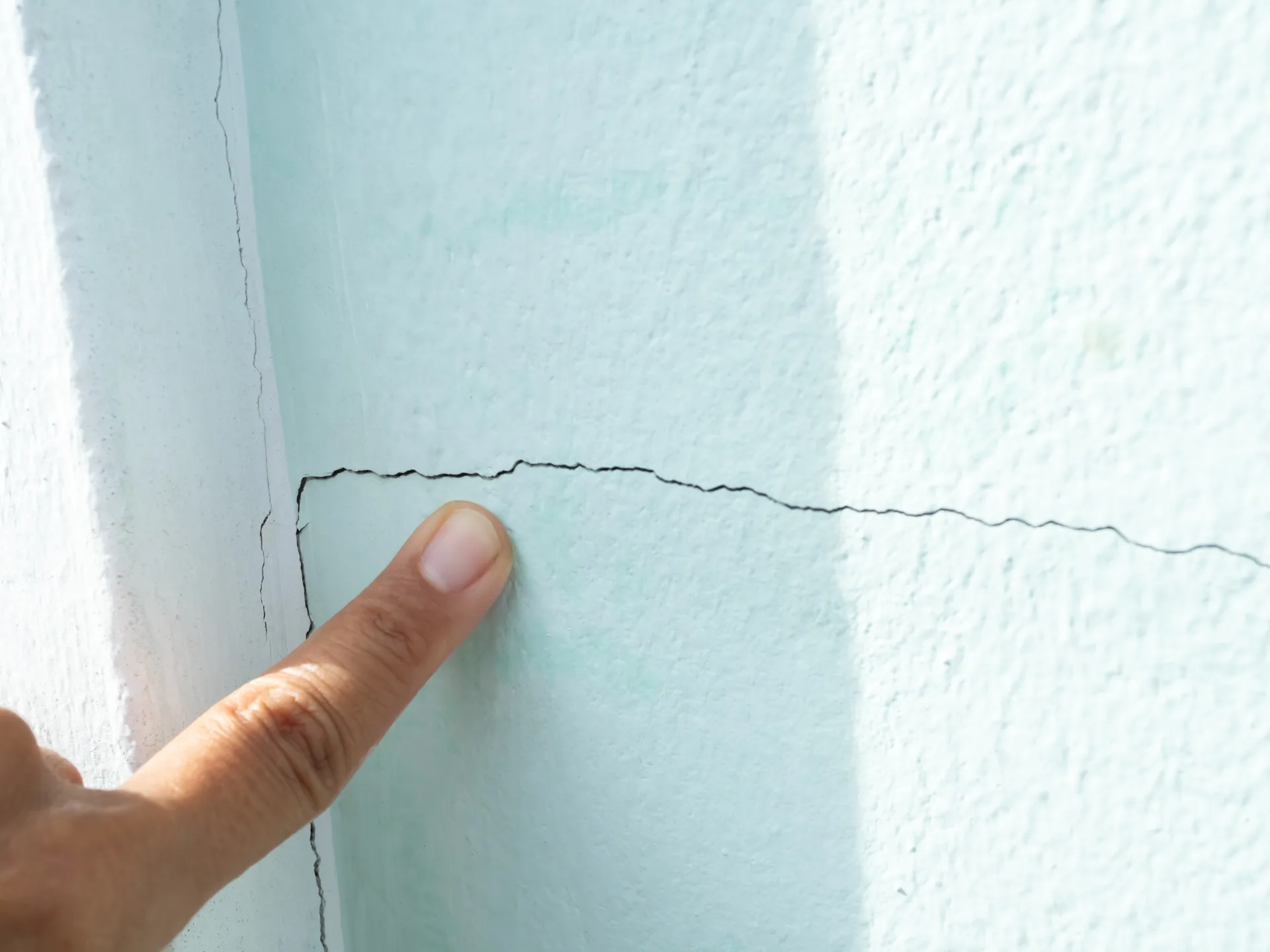
Older houses often experience minor movement over time as foundations settle. This natural settling can cause small, hairline cracks in plaster walls, particularly near doors, windows, and ceiling corners. While these cracks are usually cosmetic, they can widen over time if left unmonitored.
2. Moisture and Damp
Damp penetration is a frequent cause of plaster damage in older homes. Water ingress from leaking roofs, faulty gutters, or rising damp can weaken plaster, causing it to crack, bubble, or flake. Moisture-related cracks often appear irregular and may be accompanied by discoloration or mould growth.
3. Structural Movement
Larger cracks, especially those that are diagonal or run across entire walls, may indicate structural movement. This can result from subsidence, timber frame shrinkage, or changes to load-bearing walls. Addressing the root cause of structural movement is critical before plaster repair or skimming.
4. Shrinkage of Plaster
Traditional lime or gypsum plasters can shrink slightly as they dry, which may lead to small surface cracks. While normal in older properties, repeated drying and wetting cycles can exacerbate these cracks, particularly in unventilated rooms or damp environments.
5. Poor Previous Repairs
In some cases, walls may crack due to inadequate or inappropriate repairs. For example, applying modern gypsum plaster over older lime plaster without proper preparation can lead to adhesion issues and cracking over time.
Types of Plaster Cracks
Understanding the type of crack can help determine whether professional intervention is needed:
- Hairline Cracks: Fine cracks that are mostly cosmetic. Often caused by minor settling or shrinkage.
- Vertical Cracks: Usually related to structural movement along walls.
- Horizontal Cracks: Can indicate more serious foundation or lintel issues.
- Diagonal Cracks: Often occur around doorways, windows, or where walls bear additional weight.
A qualified plasterer can identify whether a crack is superficial or symptomatic of a larger structural problem.
Why Professional Assessment Matters
Before hiring a plasterer, it is important to assess the cause of cracks rather than simply covering them up. Professionals consider:
- The type and extent of cracking
- Underlying structural or moisture issues
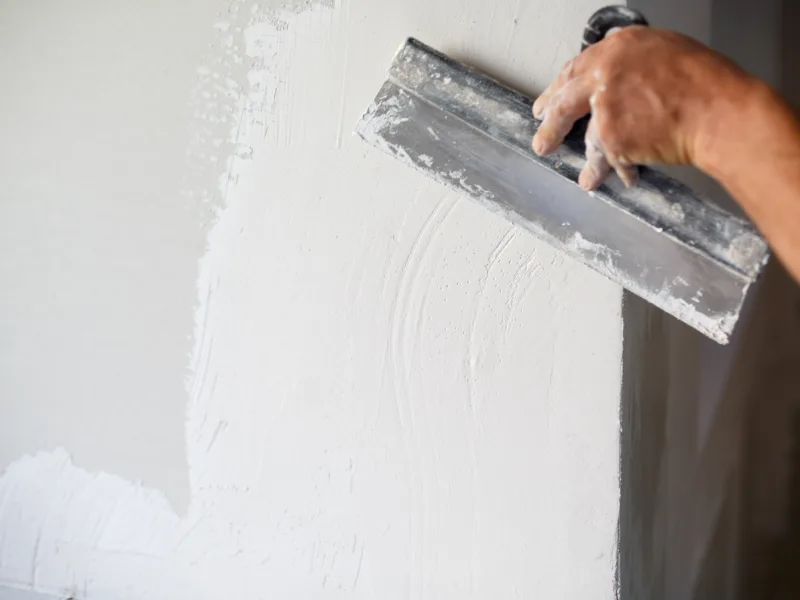
- Suitable repair methods, whether skimming, replastering, or targeted patching
- Compatibility with drylining or new wall systems, if upgrading interiors
Professional evaluation ensures that repairs are effective and long-lasting, particularly in older houses with traditional plaster or mixed construction materials.
Regional Considerations
In areas such as Hampshire, Berkshire, Oxfordshire, South London, Sussex, Buckinghamshire, and Surrey, older homes often feature a combination of lime plaster, solid masonry walls, and timber frames. Local contractors experienced with these materials are better equipped to handle common plaster issues safely and efficiently.
Final Thoughts
Cracked plaster walls in older houses can have many causes, from natural settling to moisture damage or structural movement. Identifying the root cause before hiring a plasterer is essential to prevent recurring problems and ensure a high-quality repair.
Working with skilled professionals ensures the right materials, techniques, and approach are applied, resulting in smooth, durable walls that stand the test of time – whether for minor repairs, full skimming, or integration with modern drylining systems.