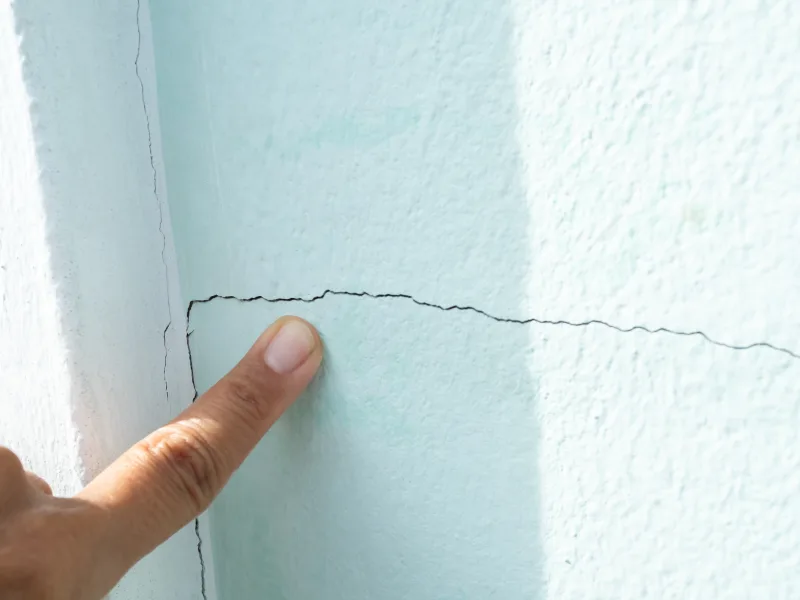
Plastering a bathroom requires careful consideration to ensure walls and ceilings are durable, moisture-resistant, and ready for long-term use. Bathrooms are high-humidity environments, and improper plastering can lead to cracking, damp issues, or peeling finishes over time.
Whether you are working on a new build, a commercial project, or a residential refurbishment, understanding the key factors involved in bathroom plastering is essential for achieving a professional, lasting result.
Use the Right Type of Plaster
Not all plaster is suitable for bathrooms. Moisture-resistant or waterproof plaster should be used to prevent damp penetration and deterioration. Options include:
- Gypsum-based plasters with added moisture-resistant compounds
- Cement-based plasters for high-humidity areas
- Specialist bathroom plasters recommended by manufacturers
Using the correct plaster ensures walls and ceilings remain stable and durable in wet conditions.
Proper Wall Preparation
Preparation is crucial before plastering a bathroom:
- Ensure all surfaces, including plasterboard or masonry, are clean, dry, and free from dust or grease
- Seal joints in plasterboard or drylined walls with moisture-resistant tape
- Check for existing water damage or mould and treat affected areas
A properly prepared surface improves adhesion and reduces the risk of cracking or peeling.
Consider Drylining and Metal Stud Systems
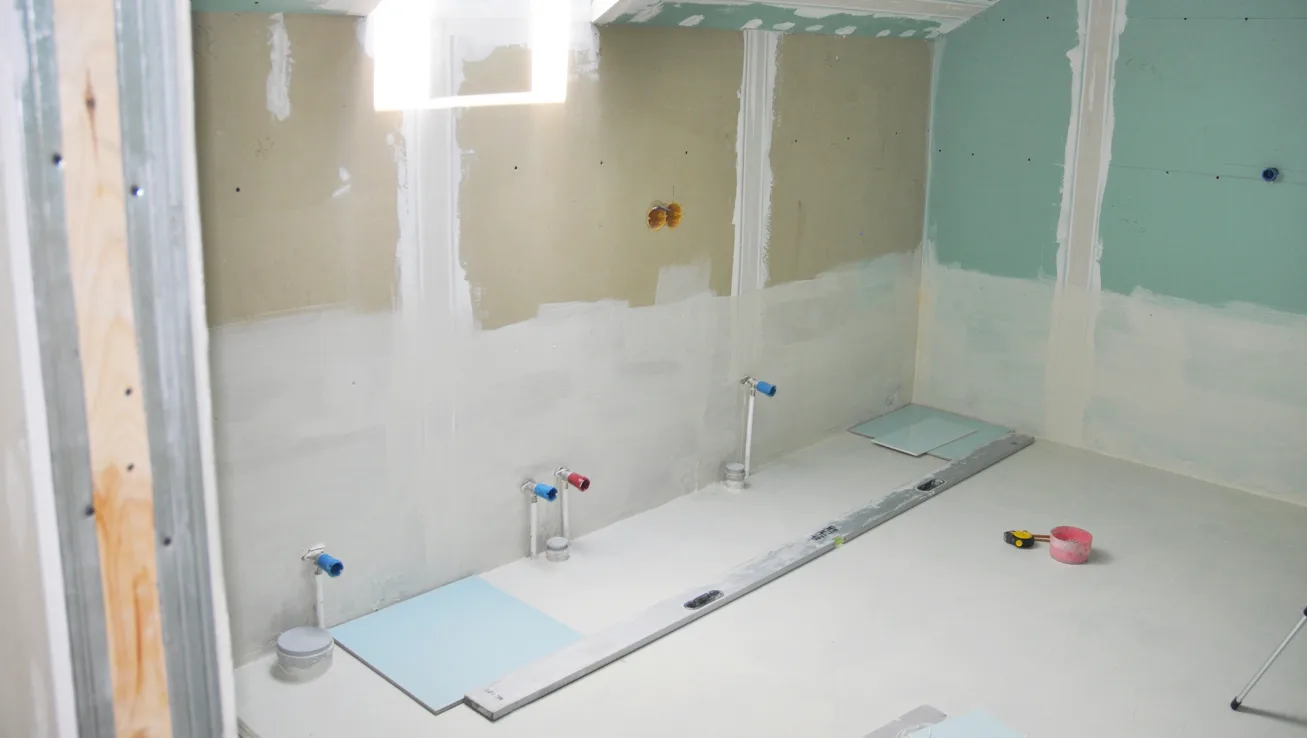
For bathroom renovations or new builds, drylining with moisture-resistant plasterboard and metal stud partitions is common. This system allows for:
- Faster installation
- Improved resistance to humidity
- A smooth surface ready for finishing plaster or skim coating
Integrating plastering with drylining systems ensures a seamless, durable finish suitable for both residential and commercial bathrooms.
Apply Plaster in Thin, Controlled Layers
Applying plaster in thin, even layers helps prevent cracking and ensures full adhesion to the substrate. Key tips include:
- Apply the first base coat evenly, allowing sufficient drying time
- Use a finishing coat to create a smooth, polished surface
- Avoid overworking the plaster, which can lead to shrinkage and uneven surfaces
Consistent application is particularly important in bathrooms, where walls are frequently exposed to moisture.
Ventilation and Drying
Proper ventilation is essential during and after plastering to allow walls to dry correctly. Moisture trapped behind wet plaster can lead to mould, peeling, or structural issues. Recommendations include:
- Adequate room ventilation during plaster application
- Use of fans or dehumidifiers if necessary in poorly ventilated bathrooms
- Avoiding rapid heating which can cause the plaster to crack
Controlled drying ensures a strong, long-lasting finish.
Regional Considerations
In areas like Hampshire, Berkshire, Oxfordshire, South London, Sussex, Buckinghamshire, and Surrey, bathrooms may be part of modern residential developments, commercial refurbishments, or new build properties. Local expertise ensures plasterers account for regional building regulations, humidity levels, and common construction materials, delivering high-quality results tailored to the environment.
Final Thoughts
Plastering a bathroom requires careful selection of materials, thorough surface preparation, proper application techniques, and controlled drying. Moisture-resistant plaster, attention to detail, and professional skill are key to creating smooth, durable walls and ceilings that will withstand the challenges of a high-humidity environment.
Working with experienced plasterers ensures your bathroom not only looks polished but also performs reliably over time, whether for new builds, commercial refurbishments, or residential upgrades in the South of England.