External rendering is a key technique in construction and refurbishment, providing both protection and aesthetics to the exterior walls of residential and commercial properties. Done correctly, it enhances durability, prevents water ingress, and creates a smooth or textured finish that can dramatically improve the look of a building.
This guide explains the essential aspects of external rendering, helping homeowners, developers, and project managers make informed decisions for new builds or refurbishment projects.
What Is External Rendering?
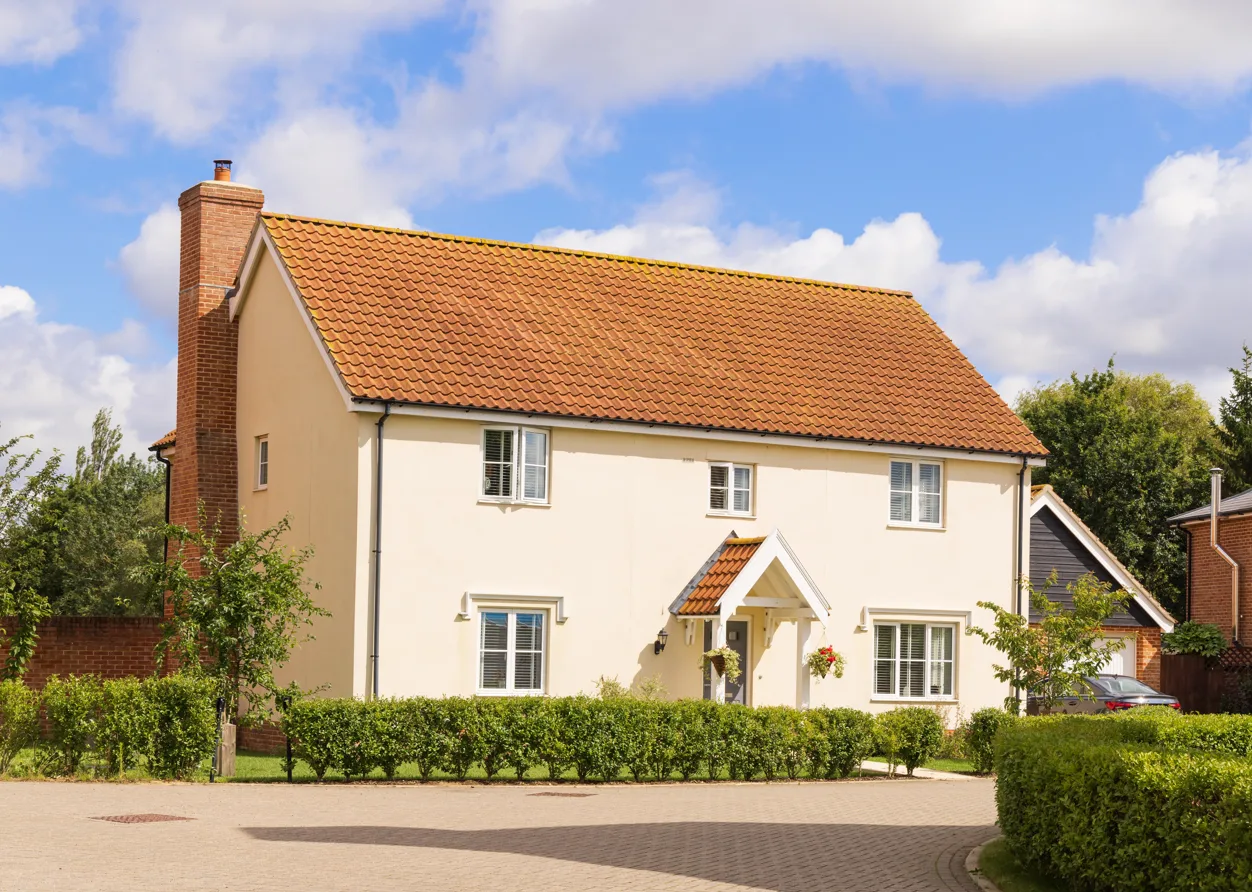
External rendering involves applying a protective and decorative coating to the outside walls of a building. The render can be cement-based, lime-based, or synthetic, and may be finished smooth, textured, or coloured.
Key Benefits of External Rendering:
- Protects walls from moisture, wind, and weathering
- Improves thermal efficiency in some modern render systems
- Offers a versatile finish to enhance property aesthetics
Rendering is widely used on brick, blockwork, or concrete walls and is a common feature in modern construction and commercial developments.
Types of External Render
Several types of render are suitable for external applications:
1. Cement Render
Cement render is highly durable and weather-resistant, making it ideal for most modern properties and commercial buildings. It can be applied in multiple coats and finished smooth or textured.
Benefits:
- Strong and long-lasting
- Can be painted or left in a natural finish
- Suitable for new build and refurbishment projects
2. Lime Render
Lime render is breathable and flexible, allowing moisture to evaporate from walls. It is ideal for older buildings and heritage properties.
Benefits:
- Reduces damp-related issues
- Less prone to cracking compared to cement render
- Works well with solid masonry walls
3. Acrylic or Synthetic Render
Acrylic or polymer-based renders are modern alternatives that offer flexibility, water resistance, and a variety of colour options.
Benefits:
- Quick to apply
- Resistant to cracking and weather damage
- Suitable for commercial and residential properties
4. Monocouche Render
Monocouche render is a single-layer coloured render that combines protection and decoration in one coat.
Benefits:
- Reduces labour time
- Available in a variety of textures and colours
- Provides a consistent finish
Important Considerations Before External Rendering
When planning an external rendering project, several factors must be considered:
- Wall Preparation: Ensure surfaces are clean, stable, and free from cracks or damage. Any defects should be repaired before rendering.
- Moisture Management: Check for damp issues, leaks, or rising damp to prevent future damage.
- Material Selection: Choose the appropriate render type based on wall material, project type, and environmental conditions.
- Application Conditions: Avoid rendering in freezing temperatures, excessive heat, or wet weather to ensure proper curing.
- Local Building Standards: Adhere to regional regulations and guidelines to ensure compliance, especially in Hampshire, Berkshire, Oxfordshire, South London, Sussex, Buckinghamshire, and Surrey.
Professional Installation Matters
External rendering is a specialist task that requires experience and technical knowledge. Skilled contractors ensure:
- Correct mix and application of the render
- Adequate curing and finishing
- Long-lasting, durable results
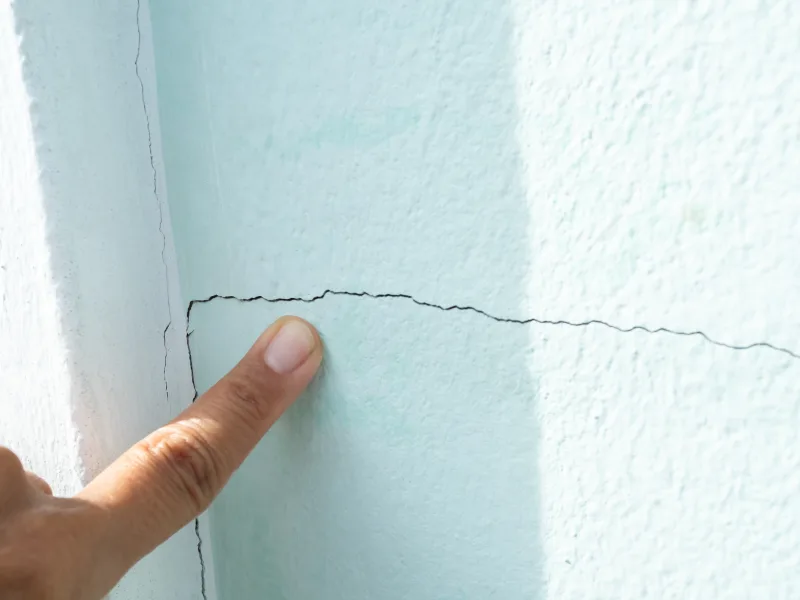
Improper installation can lead to cracking, peeling, or water ingress, which may compromise the building structure and appearance.
Final Thoughts
External rendering protects and enhances the appearance of any property while providing long-term durability. Understanding the types of render, preparation requirements, and environmental considerations is essential for a successful project.
For commercial developments, new builds, or residential refurbishments in Hampshire, Berkshire, Oxfordshire, South London, Sussex, Buckinghamshire, and Surrey, working with professional plastering and rendering contractors ensures a high-quality finish that stands the test of time.